ရေချို၊ရေငန် သဘာဝပတ်ဝန်းကျင်တွင် နေထိုင်ကျက်စားကြသော သက်ရှိ မျိုးစိတ်များနှင့် ဂေဟစနစ်ကို အခြေခံလေ့လာခြင်း
What you will learn
ရေချို ရေငန်တွင် အပြန်အလှန်အကျိုးပြုသော အခွံမာငါးများနှင့် သဘာဝပတ်ဝန်းကျင်ချိတ်ဆက်မူ၊ သန္တာကျောက်တန်းများဆုံးရှုံးမူ နှင့် ပြန်လည်စိုက်ပျိုးခြင်း၊ ဂေဟစနစ်နှင့်
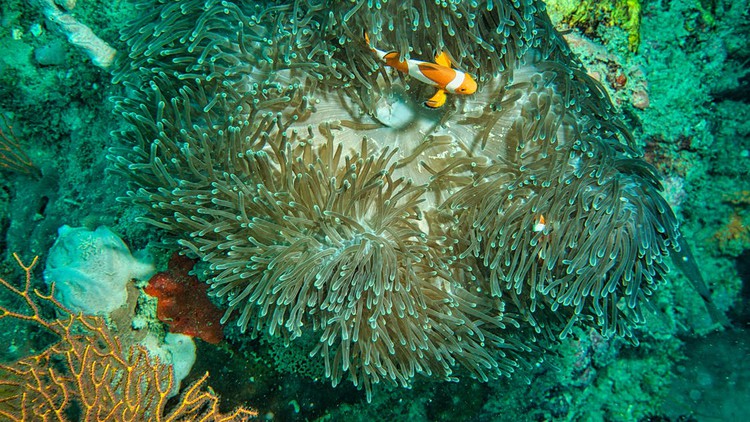
သင်တန်းသားများသည် သန္တာကျောက်တန်းဝန်းကျင် ဂေဟစနစ်နှင့် ငါးများကို လေ့လာနိုင်ပါသည်။
သင်တန်းသားများသည် သန္တာကျောက်တန်းများကို ခြုံငုံလေ့လာ သုံးသပ်ခြင်း၊ အကြပ်အတည်းနှင့် အခြေခံ ပြန်လည်စိုက်မျိုးခြင်း ပညာရပ်များကို အခြေခံလေ့လာနိုင်ပါသည်။
သင်တန်းသားများသည် အခွံမာငါးများ၏ အကျိုးပြုပုံနှင့် ဂေဟစနစ်ကိုလေ့လာနိုင်ပါသည်။
Description
[English Below]
ဤသင်တန်းသည် အဏ္ဏဝါနှင့် ရေချိုငါးမျိုးစိတ်တို့၏ဂေဟစနစ်ကို အခြေခံလေ့လာရန် အကောင်းဆုံးဖြစ်ပါသည်။ ဤသင်တန်းတွင် အခန်း ၅ ခုပါရှိပြီး ဟောပြောချက် ဗီဒီယို ၅ခု အပြင် အခြားလေ့လာနိုင်သော သတင်းအချက်လတ်များပါဝင်ပါသည်။ သင်ခန်းစာပြီးသောအခါ မေးခွန်း ၁၀ခု ဖြေဆိုရန်ပါရှိပါသည်။ ဤဇီဝလောကကို အများအားဖြင့် ရေချိုနှင့် ရေငန်ဟူ၍ အမျိုးအစားနှစ်မျိုး ခွဲခြားထားသည်။ ထိုသင်တန်းသည် ရေချို ရေငန် သဘာဝပတ်ဝန်းကျင်နှင့် နေထိုင်ကျက်စားကြသော ငါးမျိုးစိတ်များ အကြောင်းကို အခြေခံလေ့လာနိုင်ရန်ဖြစ်ပါသည်။ မြစ်ဝများ နှင့် သမုဒ္ဒရာများ ကဲ့သို့သော အဏ္ဏဝါဝန်းကျင်များတွင် ဆားပါဝင်မှု ပိုများသည်။ ရေငန်ပိုင်းသည် ကမ္ဘာမြေမျက်နှာပြင်၏ ၇၅ ရာခိုင်နှုန်းခန့်ကို လွှမ်းခြုံထားသည့် ဇီဝလောက အားလုံးတွင် အကြီးဆုံးဖြစ်သည်။ ပုံမှန်အားဖြင့်၊ ရေချိုဝန်းကျင်များသည် ဆား ၁ ရာခိုင်နှုန်းအောက်သာရှိသည်။ အချို့သော ငါးမျိုးစိတ်များသည် ဒေသခံများ ငါးဖမ်းသမားများ၏ ဆိုးကျိုးများကြောင့် (illegal fishing) ငါးမျိုးစိတ်များ လျော့နည်းလာပါသည်။ ထို့ပြင် ကျူးကျော်ဝင်ရောက်လာသော invasive species များကြောင့်လည်း ဒေသရင်း ငါးမျိုးစိတ်များ ရှားပါလာပါသည်။ အခန်း ၂ တွင် သန္တာကျောက်တန်းများ ဆုံးရှုံးမူနှင့် ပြန်လည်စိုက်ပျိုးခြင်းကို အခြေခံ လေ့လာနိုင်ပါသည်။
ဤသင်တန်းကို သန့်မြန်မာ၏ ဖိတ်ခေါ်မှုဖြင့် Fauna & Flora International Myanmar (FFI) မှ စီစဥ်ပို့ချထားခြင်းဖြစ်ပါသည်။ FFI သည် ၁၉၀၃ခုနှစ်မှစ၍ ကမ္ဘာတစ်ဝန်းတွင် သဘာဝတောရိုင်းတိရစ္ဆာန်ထိန်းသိမ်းရေးနှင့် ပတ်သက်ပြီးလုပ်ဆောင်နေသော သက်တမ်းအရင့်ဆုံးနိုင်ငံတကာ သဘာဝတောရီုင်းတိရစ္ဆာန်ထိန်းသိမ်းရေး အဖွဲ့အစည်းတစ်ခုဖြစ်ပါသည်။ FFI သည် နိုင်ငံပေါင်း ၄၀ ကျော်တွင် တက်ကြွလှုပ်ရှားလျက်ရှိပြီး အဖွဲ့အစည်း၏ ဦးတည်လုပ်ဆောင်ချက်များမှာ ကမ္ဘာ့နေရာအနှံ့အပြားတွင် မျိုးတုန်းပျောက်ကွယ်မှုအန္တရာယ်နှင့်ရင်ဆိုင်နေရသော ဇီဝမျိုးစိတ်များနှင့် ဂေဟစနစ်များကို ထိန်းသိမ်းခြင်းဖြင့် ဇီဝမျိုးကွဲများကို ထိန်းသိမ်းစောင့်ရှောက်ခြင်နှင့် လူသားတို့၏လိုအပ်ချက်များကို ထည့်သွင်းစဥ်းစားပြီး သဘာဝပတ်ဝန်းကျင်အတွက် ကောင်းမွန်သော၊ သိပ္ပံပညာကိုအခြေခံသည့် ဖြေရှင်းနည်းများကို ရှာဖွေဖော်ထုတ်ခြင်းတို့ ပါဝင်ပါသည်။
This is the perfect course for marine habits conservation, migratory fish conservation, and sea turtle conservation. It is a crucial time to conserve the aquatic natural environment. It is needed the strong people who want to restore the aquatic environment. Aquatic organisms are facing the impacts of daily human excretion. From this course, you will be able to gain much knowledge about aquatic life and natural environment conservation. The aquatic biome is divided into freshwater and marine regions. Freshwater regions, such as lakes and rivers, have a low salt concentration. Marine regions, such as estuaries and the ocean, have higher salt concentrations. The aquatic biome is the largest of all the biomes, covering about 75 percent of Earth’s surface. Estuaries are regions where freshwater and ocean water mix.
This course is prepared by Fauna & Flora International Myanmar (FFI) with the invitation of Thant Myanmar. FFI is the world’s oldest international wildlife conservation organization which has been quietly shaping and influencing conservation practice since 1903. FFI operates in over 40 countries with a focus on protecting biodiversity through conserving threatened species and ecosystems worldwide, choosing solutions that are sustainable, based on sound science, and considering human needs.
Content