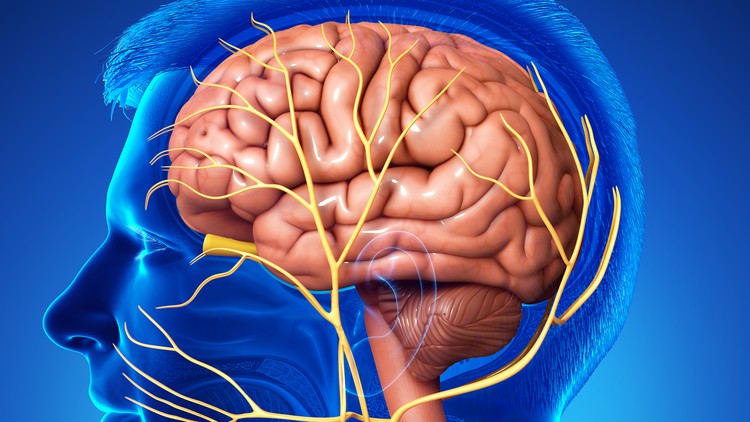
Understanding & Managing Anxiety, Depression, Trauma & Autism Better from The Polyvagal Theory Perspective
What you will learn
in-depth understanding of the Polyvagal theory and its applications in managing anxiety, depression, trauma and autism
the neurobiology of anxiety, depression, trauma and autism from the Polyvagal Theory perspective
how to repair the social engagement system necessary for managing anxiety, depression, trauma and autism effectively
hands-on techniques to strengthen the vagus in order to upregulate the safety and healing pathways, and down-regulate the defence/shutdown pathways
several ways to daily stimulate the vagus nerve for wellness, relaxation, confidence and spontaneous social engagement
how to examine yourself or your clients for vagus nerve dysfuntion and ways to correct it.
how to avoid the typical vagal mistakes made in managing anxiety, depression, trauma and autism
connections between childhood trauma and vagal dysfunctions
Description
This course attracts both professionals and interested individuals interested in mental health, continuing professional development, and in the Polyvagal Theory application for mental health, neuro-developmental and neuro-divergent conditions.
TESTIMONIALS: What Previous Attendees Are Saying:
Polyvagal theory is like the offside rule for me – I understand it when someone explains it to me but then forget. I loved the way you used 3 different diagrams to explain it – I think it will help me to remember. Sara S., CAMHS Psychotherapist
I have found it very informative and very interesting. Wale made the subject very easy to understand and I appreciated the way he explained the processes of the states. I do not have a scientific mind but could understand the scientific part of the course. Carole D.
This is the second training course that I have attended now and both have been excellent. The last one was Anxiety and the Brain and the two dovetail together so well….I will definitely be recommending you to other therapists. Allison C., Therapist
Thank you so much, I have found the Polyvagal Theory training excellent, as are all of your courses, can’t wait until we can attend in person. Lynn P.
Thanks so much for this, it is really helpful for my own healing and for my clients. The whole session as a really great introduction to the polyvagal theory. Juanita D.
Great session. I first learnt a little about polyvagal from a previous course you ran (2 years ago) and have been interested ever since. This course was succinct and super informative. Love some of the practical exercises to reset the vagus nerve. I will be using those. Hannah S.
I found this very useful and informative on both a professional and personal level. The course provided lots of ‘confirmation’ moments and new insights for me as a professional and a parent to an adopted child diagnosed with ASD and social anxiety disorder. I have attended quite a few of your courses and I always enjoy them and find that you explain things really clearly that are easy to understand and grasp. I also love how all of the courses interlink. Thank you for your sharing your knowledge it is greatly appreciated. Diane M.
I was blown away, and this was not only accessible, but thorough, calming , intelligent and not gimmicky. It was pitched perfectly for my needs. Dawn H. Carer / therapeutic parent of child with RAD
This was very informative in a straight forward way, it was easy to follow for someone with not so much knowledge of the subject. Just the right amount of information leaving us wanting to learn more. Emily A. Therapist
I really like how accessible your courses are, they are affordable and the 2 hour course is a great time for me to fit into my week. Heather D., Counsellor
Golden information and techniques for coping with Autism and emotional regulation taught by the incredible Wale who teaches with clarity and groundedness. It was incredibly informative and explained neurological terms and processes in detail but without the technical terminology that I’m not yet familiar with. Pippa-Michele L., Neurobiopsychology student
Content